Daily AI & Tech Digest: Tesla FSD Scrutiny, Apple's AI Price Hikes, and Asian AI Innovation Rises
Stay updated with the latest in AI and tech: Tesla's FSD faces intense scrutiny, Apple increases prices due to the AI industry's demands, Instagram enhances algorithm customization, an Apple Vision Pro exec departs for OpenAI, and Asian startups emerge with new AI models challenging export bans.
Welcome to your daily dose of the most impactful developments in AI and the broader tech landscape! Today's headlines bring a mix of increased regulatory attention, consumer impacts, and strategic industry shifts, highlighting the relentless pace of innovation and its far-reaching consequences. From autonomous driving challenges to the rising costs of AI's hardware demands, the tech world continues to evolve at breakneck speed.
TL;DR
- Tesla's Full Self-Driving (Supervised) system is under heightened scrutiny following a fatal crash in Texas.
- Instagram is expanding user controls to customize their content algorithms, moving towards a more central personalization experience.
- Paul Meade, the executive behind Apple's Vision Pro and upcoming smart glasses, is reportedly moving to OpenAI's hardware team.
- Apple is increasing product prices, including the 16-inch MacBook Pro and 11-inch iPad Air, attributing the hikes to the AI industry's demand for high-bandwidth memory (HBM).
- Asian AI startups like 360 and Sakana AI are launching new models, such as Tulongfeng and Fugu, challenging Anthropic's Mythos amidst export bans.
All Eyes on Tesla FSD as Scrutiny Mounts

Tesla's Full Self-Driving (Supervised) system is facing intensified examination, highlighted by a fatal crash in Texas involving a Tesla that struck a home and resulted in the death of a 76-year-old woman. The driver informed police that Autopilot, Tesla's basic driver-assistance system, was engaged during the incident. This event has garnered national attention and underscores the ongoing and apparently growing scrutiny of the company's automated driving technologies.
The incident serves as a stark reminder of the complexities and potential risks associated with advanced driver-assistance systems. As AI plays an increasingly significant role in transportation, regulatory bodies and the public continue to monitor the safety and reliability of these technologies closely. The outcome of the investigation into this crash could have implications for the future development and deployment of autonomous driving features.
The fatal crash involving a Tesla and its automated driving system highlights the escalating national scrutiny on the safety and reliability of Tesla's Full Self-Driving (Supervised) technology.
Instagram Expands 'Your Algorithm' Customization Options

Instagram is exploring new methods to allow users greater control over their content feeds. According to Instagram head Adam Mosseri, the platform is testing enhanced ways for users to access and utilize 'Your Algorithm,' a feature introduced last year that enables specifying preferences for topics to see more or less of. This initiative aims to make algorithm customization a more integral part of the user experience.
This move signifies a continued effort by Instagram to empower users in shaping their personalized content consumption. By evolving 'Your Algorithm' from a mere setting to a central component of the app, Instagram hopes to provide a more tailored and engaging experience, addressing user demands for greater transparency and control over what appears in their feeds.
Instagram is working to make its 'Your Algorithm' feature, which allows users to customize content preferences, a more central and intuitive part of the app experience.
Apple Vision Pro Executive Reportedly Departs for OpenAI
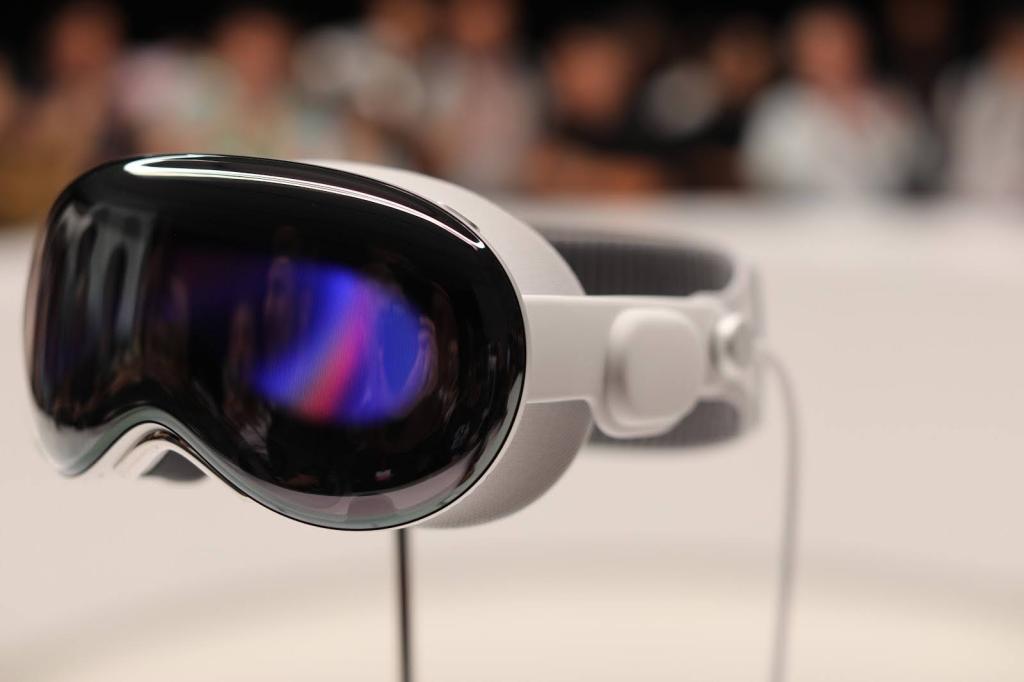
Paul Meade, the vice president at Apple who was in charge of the Vision Pro headset and the development of future AI-powered smart glasses, is reportedly leaving the company to join OpenAI's hardware team. This move, reported by Bloomberg's Mark Gurman, suggests a significant talent shift from Apple's augmented reality efforts to OpenAI's burgeoning hardware ambitions.
While the Vision Pro headset was a costly product that did not achieve widespread success, Apple has future plans for more affordable smart glasses, expected to launch next year, to compete with wearable devices from Meta. Meade's transition to OpenAI could indicate a strategic investment by the AI research firm into developing its own physical devices, potentially integrating its advanced AI models directly into new hardware offerings.
The reported departure of Apple's Vision Pro executive, Paul Meade, to OpenAI's hardware team signals a potential strategic pivot for OpenAI into physical AI-powered devices.
Apple Raises Prices, Citing Big Tech's AI Obsession

Apple is implementing price increases across several of its product lines, including a $300 hike for the 16-inch MacBook Pro and an increase from $599 to $749 for the 11-inch iPad Air, with even the HomePod Mini seeing a $30 bump. Apple CEO Tim Cook has stated these increases are "unavoidable" and squarely blames the AI industry for rising component costs.
According to Tim Derdenger, associate professor at Carnegie Mellon University's Tepper School of Business, the "price of RAM has skyrocketed" as memory manufacturers reallocate production lines to higher-margin High Bandwidth Memory (HBM) for AI data centers, shifting away from consumer DDR5. This industry-wide phenomenon, dubbed "RAMageddon," has also impacted other companies like Microsoft and Valve, with Xbox prices climbing by nearly 25 percent. The article highlights that companies like OpenAI, Google, and Microsoft are outbidding consumer device manufacturers for these critical components, leading consumers to foot the bill for the AI race.
Apple's recent price increases are a direct consequence of the AI industry's insatiable demand for high-bandwidth memory, leading component manufacturers to prioritize AI data centers over consumer electronics and passing costs onto the end-user.
Asian AI Startups Challenge Anthropic's Export Ban with New Models

Asian AI startups are stepping up to fill the void created by the U.S. export ban on Anthropic's powerful cybersecurity-focused AI models, Mythos and Fable 5. Chinese cybersecurity firm 360 recently unveiled Tulongfeng, an AI tool that it claims can compete directly with Anthropic's Mythos. This development comes amidst the ongoing restrictions imposed by the Trump Administration on providing these advanced models to non-American entities.
Earlier in the week, Sakana AI, a Tokyo-based AI startup, launched its own frontier AI model named Fugu (Japanese for blowfish). Sakana AI asserts that Fugu stands on par with leading AI models. These new launches from Asian companies highlight a growing global competition in advanced AI development, particularly in regions affected by export controls, demonstrating a rapid response to market demands for sophisticated AI capabilities.
As Anthropic's Mythos faces export bans, Asian AI startups like 360 and Sakana AI are rapidly developing and launching their own competitive AI models, such as Tulongfeng and Fugu, to meet regional demands.