AI Diagnoses Outperform Doctors, OpenAI Gets Adorable Pets, and Uber's Ambitious Sensor Grid Plan
Today's AI digest: Harvard study shows AI surpassing ER doctors in diagnostics, OpenAI adds AI-generated pets to Codex, Europe's hidden startup gems emerge, and Uber plans a massive sensor network using its drivers.
Welcome to your 2026-05-04 AI and software development digest! Today, we're diving into groundbreaking research revealing AI's diagnostic prowess, a delightful new feature for coders, a spotlight on Europe's burgeoning startup scene, and Uber's ambitious vision to transform its driver network into a vast sensor array.
TL;DR
- A Harvard Medical School study found OpenAI's o1 model was more accurate than emergency room doctors in diagnosing patients.
- OpenAI has introduced optional, AI-generated animated pets to its Codex app to enhance the coding experience.
- TechCrunch has highlighted 21 European startups, moving beyond established names like Lovable and Mistral AI, that are drawing significant investor attention.
- The latest Installer newsletter from The Verge touches on various new projects, including some interesting AI developments and productivity tools.
- Uber aims to leverage its millions of drivers by outfitting their cars with sensors to create a massive data-collection grid for autonomous vehicle companies.
In Harvard study, AI offered more accurate diagnoses than emergency room doctors
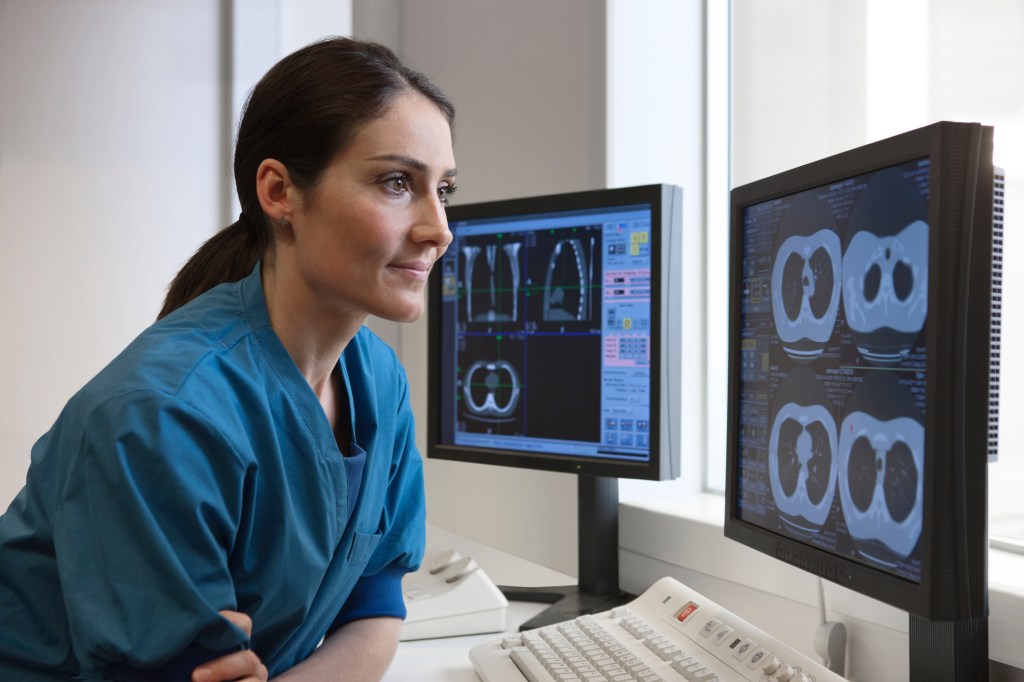
A recent study published in Science, led by physicians and computer scientists from Harvard Medical School and Beth Israel Deaconess Medical Center, has revealed striking insights into the diagnostic capabilities of large language models (LLMs). The research specifically compared the performance of OpenAI's o1 and 4o models against human attending physicians in various medical scenarios, including real-world emergency room cases.
In a pivotal experiment, the researchers analyzed 76 patients admitted to the Beth Israel emergency room. The diagnoses provided by two attending physicians were directly compared with those generated by the OpenAI models. The assessments were then blindly evaluated by two other attending physicians. The study concluded that "at each diagnostic touchpoint, o1 either performed nominally better than or on par with the two attending physicians and 4o." The most significant performance difference was observed during the initial ER triage, a phase characterized by limited patient information and high urgency for accurate decision-making. The researchers emphasized that no pre-processing of data was conducted, underscoring the models' raw diagnostic potential.
OpenAI's o1 model demonstrated superior or equivalent diagnostic accuracy compared to human emergency room doctors, particularly during initial triage where information is scarce and urgency is high.
OpenAI Introduces AI-Generated Pets For Its Codex App

OpenAI has launched an engaging new feature for its Codex app, an agentic tool designed to assist with coding: AI-generated pets. These "optional animated companions" are not involved in the coding process directly but act as a floating overlay, providing real-time updates on Codex's activities, task completion notifications, and prompts for user input. This innovation allows developers to monitor Codex's active thread without needing to switch between applications, streamlining their workflow while adding a touch of charm.
Users can interact with the feature using simple commands like "/pet" to summon or dismiss a companion, or "/hatch" to generate a custom pet using AI, with options ranging from standard choices to unique creations like a cute goblin. There are eight built-in pets available, and early adopters have already shared a variety of generated options, including versions of Microsoft Clippy. The AI-generated pets are currently available on both Windows and macOS versions of Codex. For a limited period, OpenAI is offering 30 days of ChatGPT Pro to users who share their 10 favorite generated companions.
OpenAI's Codex app now features AI-generated animated pets that offer real-time updates on coding tasks, enhancing developer workflow with playful, customizable companions.
Beyond Lovable and Mistral: 21 European startups to watch

TechCrunch has unveiled a curated list of 21 European startups that are garnering significant attention from venture capitalists, moving beyond the well-known success stories like Lovable and Mistral AI. This list was compiled through a unique methodology, involving recommendations from investors at prominent European venture funds, who each suggested one startup from their portfolio and one outside of it, complemented by TechCrunch's own selections.
The featured startups represent various stages of growth, from pre-launch to unicorn status, and span diverse sectors. While the list may not precisely reflect Europe's hottest tech hubs, it effectively showcases the continent's deep tech talent and its potential to carve out a distinct position in the global AI race. One example mentioned is BottleCap AI, a Prague-based AI startup with a playful name that VCs believe is worth watching.
Europe's deep tech sector is flourishing, with 21 emerging startups gaining significant investor interest, demonstrating the region's strong potential to innovate and compete in the global AI landscape.
The things we’re building now

David Pierce's Installer No. 126 from The Verge offers a broad overview of current projects and intriguing developments in the tech world. This edition focuses on new creations and ongoing trends, providing a glimpse into what's capturing the attention of tech enthusiasts and innovators. Beyond the usual discussions around gadgets and media, the newsletter also touches on some "interesting AI-y things" and productivity tools, reflecting the pervasive influence of artificial intelligence across various domains.
The article highlights Pierce's own recent engagements, including his deep dive into the Tesla diner, discussions with Dwarkesh Patel, and a rewatch of Ted Lasso in anticipation of its fourth season. It also references a robot injuring Joanna Stern, exploring the world of Japanese stationery, and the pursuit of a sub-two-hour marathon with advanced running shoes. These diverse interests underscore a broad engagement with both consumer tech and the underlying innovations shaping our digital and physical environments, including the growing integration of AI into daily life and work.
The latest Installer issue from The Verge explores a diverse array of new projects, from AI innovations and productivity tools to personal tech interests, showcasing the wide-ranging impact of current technological advancements.
Uber wants to turn its millions of drivers into a sensor grid for self-driving companies

Uber is revealing a long-term strategy that extends far beyond its core ride-hailing services, aiming to transform its vast network of human drivers into a comprehensive sensor grid. Praveen Neppalli Naga, Uber's chief technology officer, disclosed this ambitious plan at TechCrunch's StrictlyVC event in San Francisco. The vision is to equip the cars of Uber's millions of drivers globally with sensors, enabling them to collect invaluable real-world data for autonomous vehicle (AV) companies and other entities developing AI models for physical-world scenarios.
This initiative is positioned as a natural evolution of Uber's AV Labs program, which was launched in late January 2026. Currently, AV Labs operates a smaller, dedicated fleet of sensor-equipped cars managed directly by Uber, separate from its driver network. However, the ultimate goal is to scale this data collection by integrating sensors into human-driven vehicles. Naga acknowledged the regulatory complexities, emphasizing the need to clarify regulations regarding sensors and data sharing across different states. If even a fraction of Uber's millions of drivers participate, the potential scale of data that Uber could offer the AV industry would be immense, significantly accelerating the development and training of self-driving technologies.
Uber's long-term strategy involves equipping its millions of human drivers' cars with sensors to create a vast data-collection grid, providing critical real-world data for autonomous vehicle companies and AI model training.