AI & Tech Digest: Musk's OpenAI Origins, iOS 27 AI Photo Tools, Google's Pentagon Deal, AWS Integrates OpenAI, and Picsart's AI Playground
Catch up on the latest in AI: Elon Musk's testimony on OpenAI's founding, Apple's new AI photo editing for iOS 27, Google's expanded AI access for the Pentagon, OpenAI's enhanced integration with AWS, and Picsart's innovative AI Playground for creators.
Today's tech landscape is buzzing with developments across the AI spectrum, from the courtroom to creative suites. We're seeing major players like Elon Musk and Google make headlines with their strategic decisions, while Apple and OpenAI continue to push the boundaries of accessible AI. The theme of accessibility also extends to creators, with a new platform aiming to simplify the AI toolchain.
TL;DR
- Elon Musk testified he founded OpenAI to prevent a "Terminator outcome" amidst his ongoing legal battle with Sam Altman.
- Apple's iOS 27 is set to introduce powerful AI-powered photo editing tools, enhancing image manipulation capabilities.
- Google has granted the U.S. Department of Defense broad access to its AI, following Anthropic's refusal over ethical concerns.
- OpenAI is significantly expanding its strategic partnership with AWS, bringing its models, Codex, and Managed Agents to Amazon Bedrock.
- Picsart launched AI Playground, consolidating over 100 AI models from 24+ providers into a single platform to combat "subscription fatigue" for creators.
Elon Musk Testifies That He Started OpenAI to Prevent a ‘Terminator Outcome’

In a federal courtroom on Tuesday, Elon Musk and Sam Altman faced each other for the first time in their high-stakes legal battle concerning OpenAI's foundational evolution and future direction. Musk, a co-founder of the AI research organization, testified that his initial motivation for starting OpenAI was to prevent a "Terminator outcome," suggesting a grave concern for uncontrolled artificial intelligence development.
The proceedings also saw the judge issue a warning to both Musk and Altman, urging them to restrain their "propensity to use social media to make things worse outside the courtroom." This admonition came after both parties engaged in public attacks online, underscoring the intense personal and professional animosity surrounding the legal dispute over OpenAI's vision and governance.
The central claim from Elon Musk is that he co-founded OpenAI to actively avert a dystopian future where AI poses an existential threat, highlighting the deep philosophical divide at the heart of the current lawsuit.
iOS 27 will reportedly come with new AI-powered photo editing tools

Apple is reportedly gearing up to introduce significant enhancements to its Apple Intelligence capabilities with the upcoming releases of iOS 27, iPadOS 27, and macOS 27. Beyond a revamped Siri assistant, Bloomberg reports that these software updates will feature advanced AI-powered photo editing tools within the Photos app, allowing users greater control over image manipulation.
These new functionalities are expected to expand upon the existing Clean Up tool, which uses AI to remove objects from photos. The suite of new "Apple Intelligence Tools" will include "Extend," utilizing generative AI to expand photo backgrounds; "Enhance," for automatic improvements to lighting and image quality; and "Reframe," designed to shift the perspective of photos, particularly beneficial for Apple's spatial photos. This move aims to bring Apple's offerings closer to competitors like Google and Samsung, though the latter still lead in generative image creation capabilities with features like Google's Magic Editor.
iOS 27 will significantly boost Apple's native photo editing with AI features like "Extend," "Enhance," and "Reframe," marking a major step in integrating generative AI directly into the user experience.
Google expands Pentagon’s access to its AI after Anthropic’s refusal
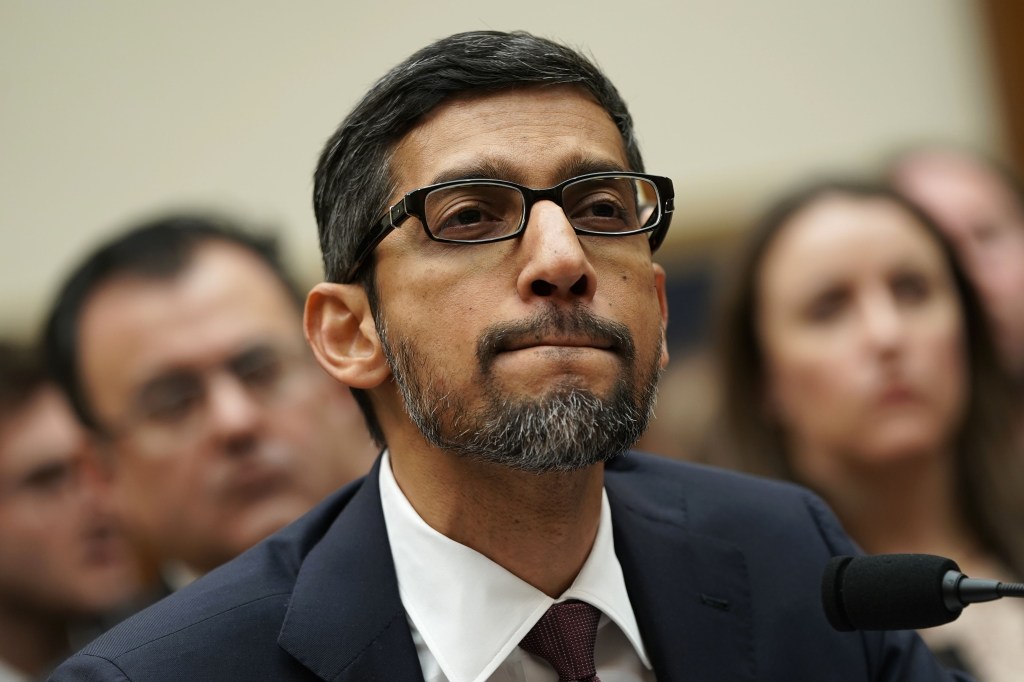
Google has reportedly granted the U.S. Department of Defense (DoD) extensive access to its AI models for use within classified networks, effectively permitting all lawful applications. This agreement comes in the wake of Anthropic's highly publicized refusal to provide the DoD with similar unrestricted terms, citing concerns over potential uses for domestic mass surveillance and autonomous weaponry.
Anthropic's stance led to the DoD labeling the model maker a "supply-chain risk," a designation typically reserved for foreign adversaries. The disagreement has escalated into a lawsuit, with Anthropic having secured an injunction last month. Google's decision contrasts sharply with Anthropic's ethical red lines, highlighting a growing divergence among major AI developers regarding military applications and oversight.
Google's decision to grant the Pentagon broad access to its AI for classified networks underscores a significant difference in approach compared to Anthropic, which refused similar terms due to ethical concerns about AI's military and surveillance applications.
OpenAI models, Codex, and Managed Agents come to AWS
OpenAI and AWS have announced a significant expansion of their strategic partnership, designed to empower enterprises to integrate OpenAI's advanced capabilities directly within their existing AWS environments. This collaboration, launching today in limited preview, offers AWS customers seamless access to OpenAI's frontier models, agents, and tools, ensuring they operate within established security, compliance, and workflow protocols.
The expanded partnership focuses on three key areas: making OpenAI models (including GPT-5.5) available on Amazon Bedrock, integrating Codex on AWS, and introducing Amazon Bedrock Managed Agents powered by OpenAI. These integrations provide organizations with greater flexibility to build with OpenAI's technology for application development, software engineering, and complex agentic workflows, all while leveraging their familiar AWS infrastructure and governance.
The expanded strategic partnership between OpenAI and AWS is bringing GPT-5.5, Codex, and Managed Agents to Amazon Bedrock, offering enterprises a streamlined path to integrate frontier AI models within their existing AWS security and operational frameworks.
The end of subscription fatigue: How Picsart is leveling the playing field for creators

The proliferation of AI models and platforms has created a new challenge for creators: "subscription fatigue," where managing multiple logins, learning curves, and monthly bills for various AI tools becomes a significant burden. Picsart, an AI-powered design engine catering to over 130 million creators globally, aims to address this issue with its latest offering, AI Playground.
AI Playground introduces a unified workflow that consolidates over 100 AI models from more than 24 providers behind a single prompt bar. This innovative approach allows creators to access a vast array of AI capabilities, including video generation from Google VEO 3.1, OpenAI Sora 2, and Runway Gen4, without the need for numerous individual subscriptions. Picsart's goal is to democratize advanced AI tools, leveling the playing field for independent creators, small businesses, and social storytellers.
Picsart's AI Playground addresses "subscription fatigue" by integrating over 100 AI models from 24+ providers into a single, accessible platform, empowering creators with diverse AI capabilities through one unified interface.